Semra Hunter: Decoding the Tactical Mind of Continental Football Broadcasting

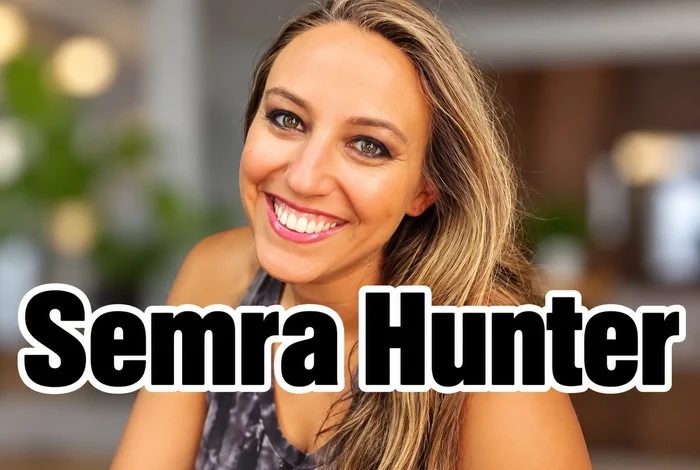
Television coverage of elite European football often defaults to predictable rhythms: former dressing-room stalwarts trading familiar anecdotes under studio lights. Yet over the past decade, a significant shift has occurred across British and international sports broadcasting. Tactical sophistication, bilingual dexterity, and meticulous journalistic preparation have begun outshining mere nostalgia. At the vanguard of this modern broadcasting movement stands Semra Hunter.
Equally comfortable decoding defensive transitions in the Bernabéu press room or steering unscripted discussions across terrestrial British networks, Hunter has redefined how global viewers consume Spanish and European football. Her progression represents a blueprint for contemporary sports journalism—combining the rigour of conflict analysis with the relentless cadence of live matchday production.
Broadcaster Snapshot
| Metric | Overview |
| Profile | Semra Hunter |
| Primary Beat | LaLiga, UEFA Champions League, International Football |
| Key Broadcast Outlets | ITV Sport, Sky Sports News, BBC Sport, LaLiga TV |
| Origins | Southern California, United States |
| Working Hubs | Madrid, Barcelona, and the United Kingdom |
| Linguistic Profile | English (Native), Spanish (Fluent) |
| Specialist Approach | Unscripted presenting, tactical deconstruction, high-profile player interviews |
The Pivot: From Elite Athletics to Academic Rigour
Hunter’s authority on camera is grounded in physical literacy. Reared in coastal Southern California as an only child, her formative years were dominated by competitive athletics. Her parents actively channelled her social life through sport, introducing her to competitive football before her fourth birthday. Her natural coordination extended across multiple disciplines; she evolved into a formidable volleyball competitor, eventually earning Junior Olympic distinctions during her secondary school years.
Throughout her adolescence, her ambition remained singularly focused on professional competition on the pitch. That trajectory fractured unexpectedly following a severe horse-riding accident, which resulted in chronic spinal trauma. When medical realities ruled out professional playing ambitions at age sixteen, the psychological shift proved profound.
Rather than surrendering her affinity for sport, Hunter pivoted toward high-level academics. Enrolling at the University of California, Berkeley, she pursued an interdisciplinary curriculum in Peace and Conflict Studies with an emphasis on international diplomacy.
This educational path fundamentally shaped her journalistic approach. Rather than relying on surface-level sport commentary, she learned the discipline of systemic investigation, cultural nuances, and negotiation dynamics. Realising that these skills applied directly to the high-stakes politics of European football, she relocated to Spain, pursuing advanced postgraduate credentials in communication and sports journalism via the Real Madrid International School.
The Madrid Crucible and the Calderón Deep End
Securing a permanent foothold in European sports media without a prior television profile requires tenacity. Hunter’s entry into Madrid’s television network began through proactive initiative rather than agency placement.
Following an industry tour of a major Spanish production facility near the conclusion of her postgraduate studies, she stayed behind to seek direct career guidance from senior executives. That unscripted conversation yielded an entry-level internship with Al-Jazeera Sport and beIN SPORTS.
Because of her native English and technical command of Spanish, she quickly advanced from writing scripts for international audiences to producing broadcast packages. Just three months into her tenure, she was pushed into the deep end: delivering live touchline reporting at the Vicente Calderón during a tense Atlético de Madrid versus Barcelona clash.
That debut caught the immediate attention of executive producers across the street at Real Madrid TV. Recruited on a full-time contract, she spent two and a half seasons embedded in the daily machinery of one of football’s most demanding environments. She anchored live studio transmissions, managed pre-match tactical shows, and travelled with the senior squad on high-profile pre-season tours across Australasia and Asia, gaining irreplaceable familiarity with the pressures facing modern footballers.
Sharpening the News Muscle in Istanbul
To avoid becoming siloed within club-operated media, Hunter accepted an international anchor post with TRT World in Istanbul.
Fronting the daily flagship sports broadcast Beyond the Game, she operated on the frontline of rolling sports news. This period exposed her to rapid, fast-breaking sports journalism:
- Live field reporting throughout the UEFA European Championship in France in 2016.
- Presenting multi-sport events, including international basketball finals and athletics.
- Navigating live studio breaking news during unexpected transfer windows and managerial dismissals.
The relentless tempo of daily rolling news removed any lingering dependency on scripted autocues, teaching her to anchor multi-hour broadcasts using only handwritten tactical breakdowns and situational awareness.
Transforming the Identity of LaLiga TV
By 2018, Spanish football administrators had recognised the need for an English-language channel to connect domestic football with global audiences. Hunter was recruited as the flagship face of LaLiga TV upon its inception, relocating her operational base to Barcelona.
The Architecture of ‘Viva LaLiga’
Rather than treating matchday previews as generic filler, Hunter devised structured themes across her daily studio broadcasts:
- Tuesday Tactics: Exhaustive tactical reviews of the previous weekend’s tactical movements and pressing traps.
- Wednesday Wisdom: Long-form debates addressing executive decisions, refereeing disputes, and financial fair play dilemmas.
- Thursday Throwback: In-depth historical retrospectives profiling legendary clubs and generational European talents.
- Fútbol Fridays: Weekend preview shows featuring detailed interviews and tactical forecasts.
Her bilingual fluency allowed her to bypass traditional media intermediaries. When sitting opposite elite international figures such as Toni Kroos, Marc-André ter Stegen, and Ivan Rakitić, her ability to conduct dialogue in natural Spanish unlocked nuanced, analytical observations rarely seen in standard promotional junkets.
The UK Broadcast Footprint: ITV and Beyond
As British media networks expanded their appetite for continental tactical expertise, Hunter became an essential contributor across terrestrial and digital channels.
Terrestrial Presence on ITV Sport
For British viewers watching Spanish top-tier matches on ITV, Hunter serves as the anchor connecting the cultural nuances of Spanish football with mainstream UK audiences. Her presenting style cuts through jargon, offering sharp analytical clarity without alienating occasional viewers.
Terrestrial audiences in the United Kingdom recognise Hunter as a central figure in ITV’s European football programming, reflecting the network’s high editorial standards established by seasoned broadcast journalists like Emma Murphy.
Authority on Sky Sports and the BBC
Hunter has become a frequent fixture across Sky Sports News, BBC Radio 5 Live, and BBC’s Football Focus. Whether dissecting the tactical integration of Kylian Mbappé in Madrid or breaking down boardroom developments in Catalonia, editors turn to her for measured, fact-checked reporting direct from the continent.
Elite Global Ceremonies
Her commanding stage presence under unscripted pressure has positioned her as an in-demand presenter for international football governing bodies. Notably, FIFA selected Hunter to host the global broadcast of the UEFA Preliminary Draw for the 2026 FIFA World Cup in Zurich, steering the procedural ceremony before a worldwide television audience.
Method and Professional Philosophy
In an era of sports television dominated by sensationalist debate, Hunter’s broadcast style remains firmly anchored in journalistic integrity. She refuses to work with teleprompters, preferring extensive personal research files, tactical charts, and active listening.
Her screen work demonstrates that sports journalism can be simultaneously entertaining, deeply technical, and culturally astute. By bridging transatlantic perspectives with continental European football culture, Semra Hunter has established herself as one of the most credible, versatile broadcasting talents in the modern game.
Core Biographical Inquiries
Who is Semra Hunter?
Semra Hunter is an American sports broadcaster and international football analyst celebrated for her work across ITV Sport, LaLiga TV, Sky Sports News, and BBC Sport.
How old is Semra Hunter?
Semra Hunter was born on 11 March 1987, making her 39 years old.
What brought Semra Hunter to sports broadcasting?
After a severe horse-riding accident ended her aspirations to become a professional athlete at sixteen, she studied international relations at UC Berkeley. Watching an NFL game with her mother sparked the idea of becoming a pitchside reporter, prompting her to pursue a sports journalism master’s degree in Madrid.
Which languages does Semra Hunter speak?
Hunter is bilingual, delivering live studio broadcasts, tactical commentary, and high-profile athlete interviews fluently in both English and Spanish.
Is Semra Hunter married?
Semra Hunter maintains strict personal privacy regarding her domestic life and relationship status, keeping her public profile dedicated exclusively to her broadcasting career and football analysis.